PCT Thru-Hike Reflections: Useful Lessons Learned 10 Years Ago
A Thru-Hike Laughs At Your Plans
I spent weeks choosing the gear. I poured over resupply locations, water cache details, and common areas that are notoriously hard to hitch-hike from. This all took place as an arm-chair PCT hiker. As soon as the first day on trail, I realized I was gripping too tightly to plans. My idea of the hike did not materialize – in any way, shape or form.
10 years on, and I still reflect on how this translates to the day-to-day. I remember making a climb in a desert ravine (within the first 20 miles of that 2,650 mile corridor) and already questioning myself. It was scorching hot in the desert, and my fancy umbrella seemed to be just an ornament. I had to sit down and recover from feeling dizzy and dehydrated. A seemingly rookie situation for someone with a thru-hike under their belt already. Similar situations happened in the following days. In truth, I was in the process of learning the trail.
I was hiking under the same assumptions as the previous year’s thru-hike on the Appalachian Trail. A vastly different trail, and one where shade and water are abundant. I knew the desert would be hot, but my body didn’t know how to adjust quickly. My brain knew the trail would be hot – but my body really didn’t have a clue.
It hadn’t been until later that I learned to hike early, take a shaded break (sometimes under the shadow of a boulder) during the hottest part of the day, then move on when the sun isn’t so intense. I had to bite off more than I could chew, then learn to chew it. This type of evolving trail skill spreads across multiple fronts. A PCT thru-hike encompasses a vast valley of highs and lows. Whether it’s learning to carry an adequate amount of water (I function well on 1 Liter/5 miles), dealing with a variety of environments, or embracing the night-hike (which I learned to love).
Although a decade has passed, I can still apply all these principles to my life. I can usually figure out whatever tough situation I have in front of me. A thru-hike (really any of them) imbues a unique convergence of skills applicable almost anywhere. Some of these include resource management, risk assessment, decision making, and resilience. This may all sound a bit corporate for what is essentially a self-imposed long walk through uncomfortable places. But if you miscalculate your water or food needs, you could be without them. Ask me how I know. I’ve made all the mistakes, but I learned from them. Sometimes the trail sits you down and hands you a piece of humble pie.
The Hardest Part Is Always Next
A sentiment I always used to hear on the PCT, especially in the north, was how “the next part is so hard”, or, “just wait for such-and-such section”. For hundreds of miles beforehand, I would hear harrowing stories of outrageous climbs, hellacious clouds of mosquitos, or long stretches without water. And sometimes that was true. There were indeed, formidable clouds of blood-sucking vampiric insects, and climbs that seemingly went on forever, and everything in-between.
The key to seeing past the fear-mongering is to never give too much credence to it. It’s not necessarily unfounded, but it’s often embelished. One thing I’ve learned about any thru-hike, and many situations in life outside the trail, is that people love to tell stories. Whether it’s about the awful section of trail coming up according to a SOBO (South Bounder), or how the job site you have to go to tomorrow is definitely the worst one you’ve ever dealt with.
If you can learn to keep in mind that people often like to feel prideful about what they’ve been through, and they often just like to tell “war stories”, then you can keep a more level headed approach to life. Take most of what people say with a grain of salt. It may be difficult, but it’s almost never as hard as they say, and whatever is difficult about it can be handled with some determination. Off-trail, I’ve learned to maintain a mantra in my head whenever I’m asked to do something I feel under equipped for: “If they thought I couldn’t do it, they wouldn’t ask me to do it”.
Keep Going; Learn To Enjoy It
California is a huge state. Anyone can look at a map and see that. But a thru-hike will show you that like little else can. For perspective, the California section of the PCT took me about 3 months – Oregon took me barely 2 weeks, and I finished Washington in 17 days. My point in illustrating this is to show just how long it felt to be in a single state. Day after day. Footstep after every footstep. Sometimes, I had no choice but to check-out of the overall goal, and just enjoy the process. The the ability to “turn-off” your goal sometimes allows you to accomplish it, oddly. It takes the pressure off.
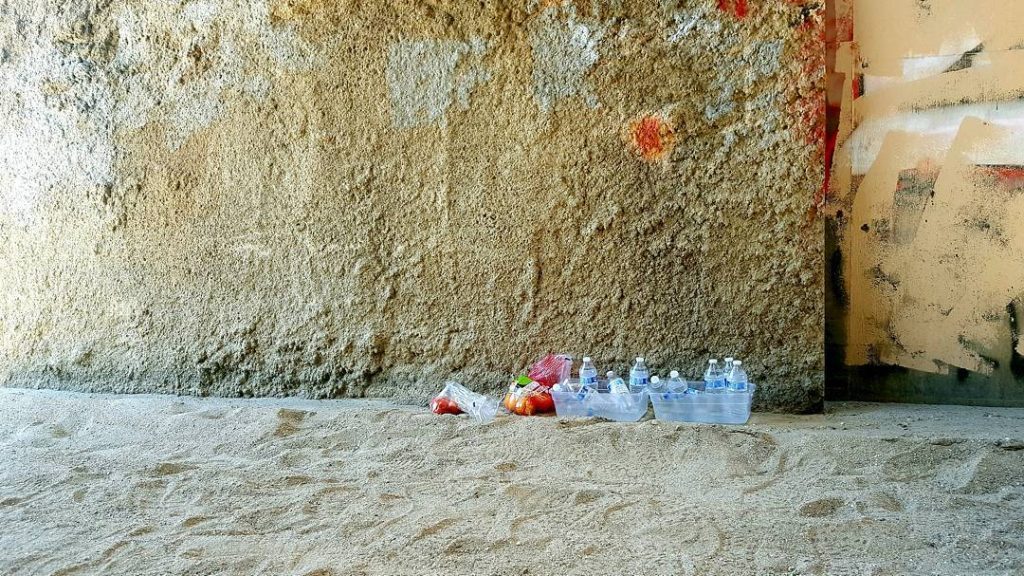
I found that focusing on daily pleasures made it easier to keep going. I learned to love challenging myself, and hiking as far as I could possibly get my body to go in one day. I also learned to refine my hiking style, and branched more into night-hiking, or waking up extra early to enjoy the cool air in the morning. If you enjoy the process, you’ll reach your goal. This was a common thread for every thru-hike I’ve done, but was especially pronounced on the PCT.
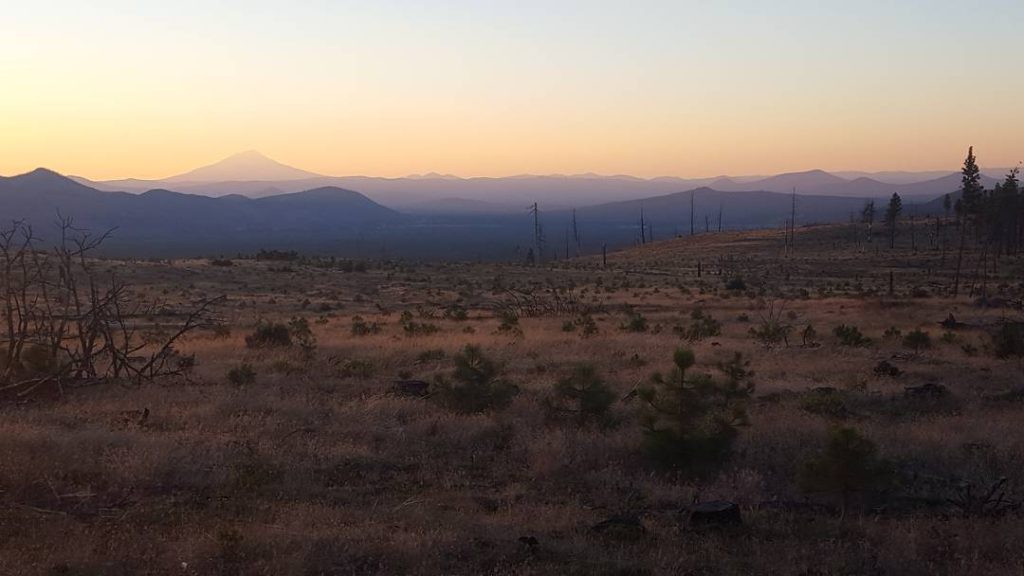
A more PCT specific note here: It helps to break the state of California into different chunks according to the environment. You have beautiful desert wasteland in the south, the High Sierra as you travel further north, and high desert further on. Not to mention some unique parts around Lassen Volcanic National Park, Mt. Shasta, etc. Allowing myself to reframe the trail this way helped me get through, recognizing small milestones along the way. Also try to keep in mind, this is some of the most beautiful hiking in the world, and not just the views. The air is comfortable, the bugs aren’t usually much of an issue, the rain stays at bay generally, etc… It’s just pleasant. Enjoy it!
You Can Course-Correct
My final reflection of my PCT thru-hike – It’s never too late to course-correct. I remember getting to Washington, and feeling like I had just barely made it in time before the weather started to change. It was already Labor Day, and I could just start to feel a chill in the air. I felt dumb for spending so much time in towns, partying and wasting time. And now I had to face what was in front of me if I was still serious about finishing.
But I made a decision right then, standing in the post office getting my resupply box, to give it my all. I decided to hike alone, because I noticed my tendency to allow others’ plans to influence my own. I also decided I’d finish on my birthday, September 23rd. The following 500 or so miles were some of the most brutal I’ve faced on trail. The PCT was almost unrecognizable in parts of Washington. I also faced unrelenting rain and wind almost all of the 17 days it took me. I raced storms to camp, and often became the old man yelling at the rain clouds. The ever-present threat of rain is completely exhausting, mentally and physically.
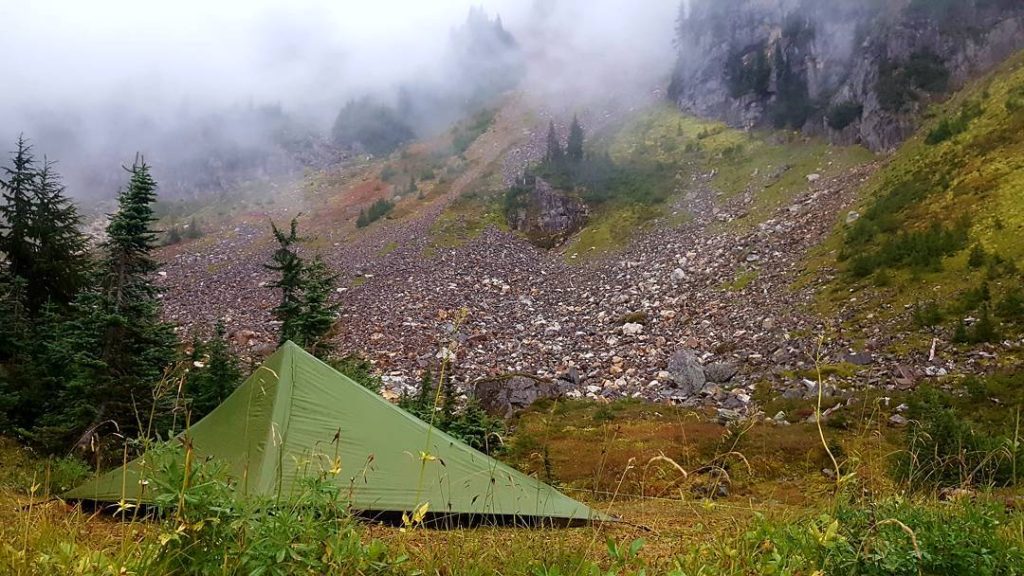
Eventually, I made it on my birthday as I planned (traipsing through snowbound landscapes). Looking back, I’m glad I pushed through and reached my goal for the end of my thru-hike. Sometimes, in order to course-correct, the only way is through the most unpleasant circumstances. But eventually, if you can make it through the storms, there is a cold cinnamon roll and a huge sense of accomplishment waiting for you at the end of the trail.