Zpacks Solplex Review: An Excellent Ultralight Tent (2K Mile Review)
In a world of a million choices for tents, my Zpacks Solplex Review will help you narrow down a daunting decision. I barely noticed that this tent was in my pack while walking across Montana, (sort of Idaho), Wyoming, Colorado, and a portion of New Mexico. To be fair, I don’t notice a whole lot once I am zoned in listening to metal on the trail (blasphemy, ok, I get it). But I digress. The Solplex (now rebranded as the Plex Solo Classic) was a treat to call home for several months.
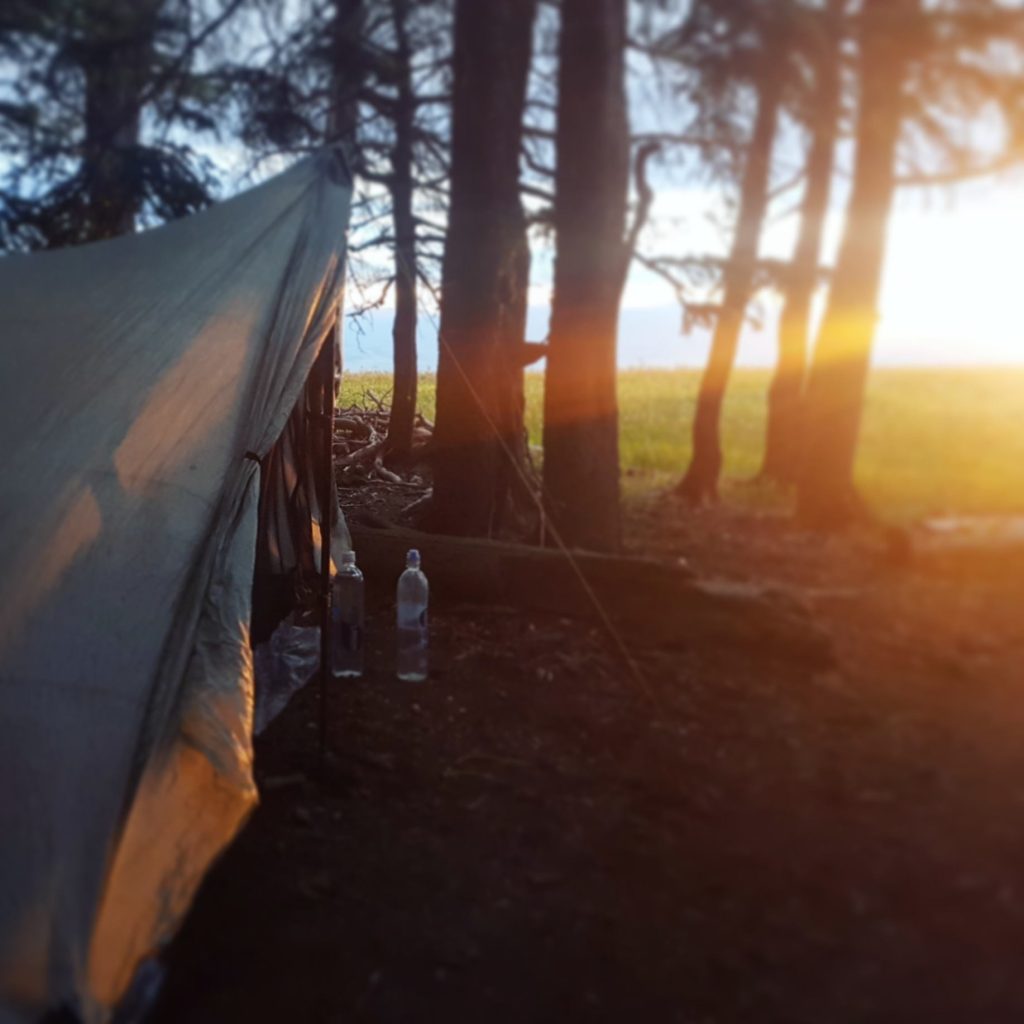
Specs
Weight: 12.3 oz (Lite Floor), 14.6 (Standard Floor)
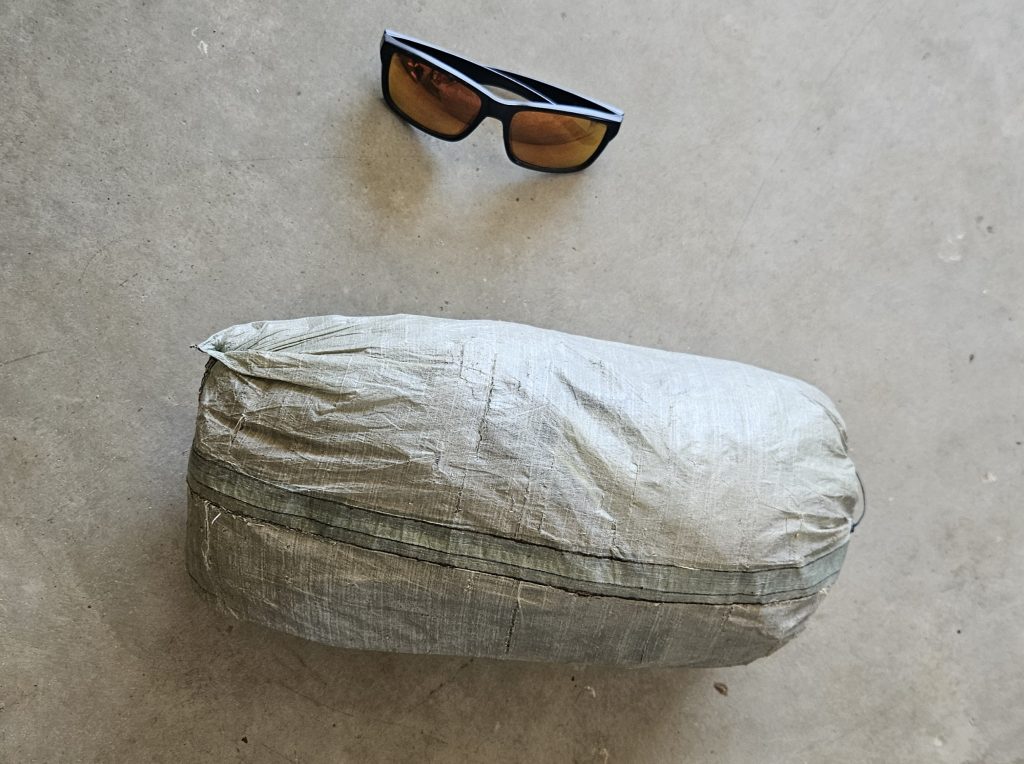
Packed Size: About 6″ x 12″ in the stuff sack.
Material: DCF
Price: $599.00
Setup and Packup
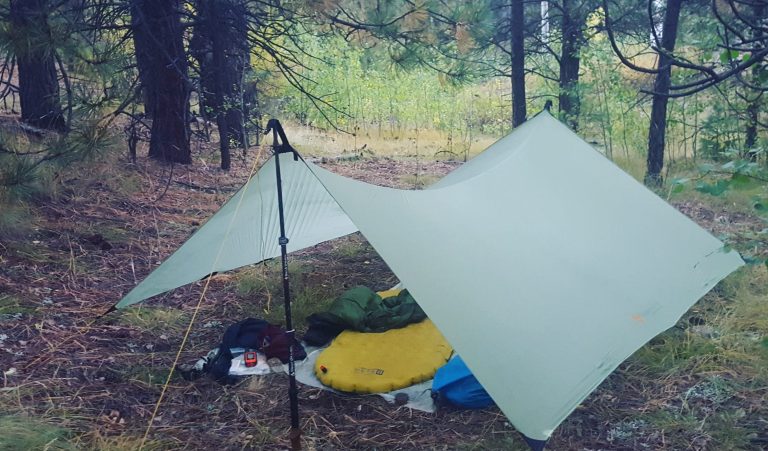
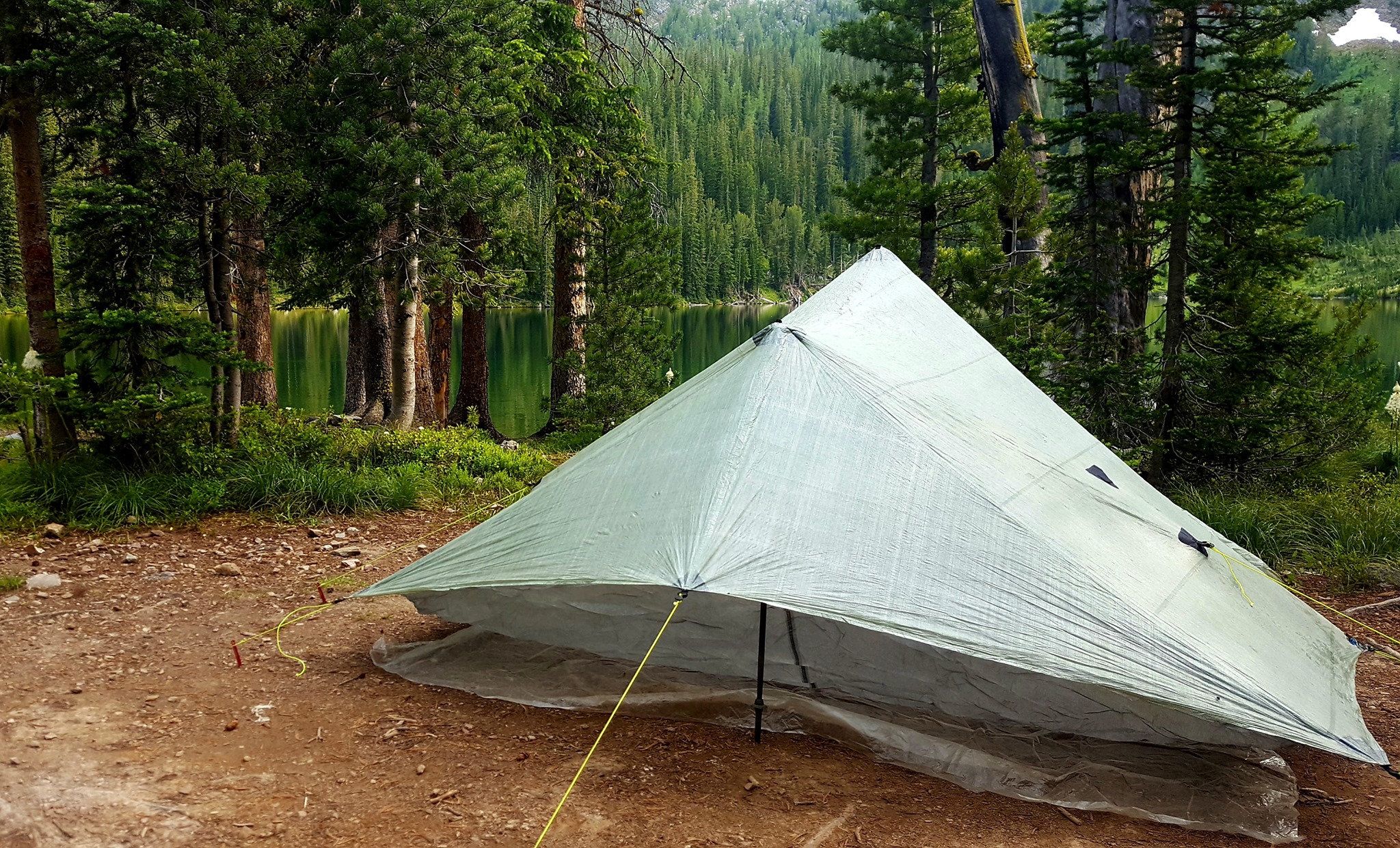
The Solplex is a relatively easy tent to setup, with a double-pole configuration. After getting used to it, I could set mine up in just a couple minutes. It uses two trekking-poles to pitch the roof of the tent, and it stakes out on all four corners, with a fifth steak at the front vestibule. I would typically select a camp spot, clear out any twigs or potential prickly offenders, lay a polycro groundsheet, then lay out the tent. Once all the corners are staked out, raise the trekking-poles and stake them out. From there, adjust all the tension on the guy lines as desired to achieve a tight pitch.
I found that with a tight pitch, the Solplex can endure some pretty gnarly gusts. There were some serious rainstorms endured in mine. I never had to rush out into the rain to tighten, or re-stake anything. As many will attest, the Continental Divide Trail is notoriously windy, and sometimes downright nasty with raging thunderstorms.
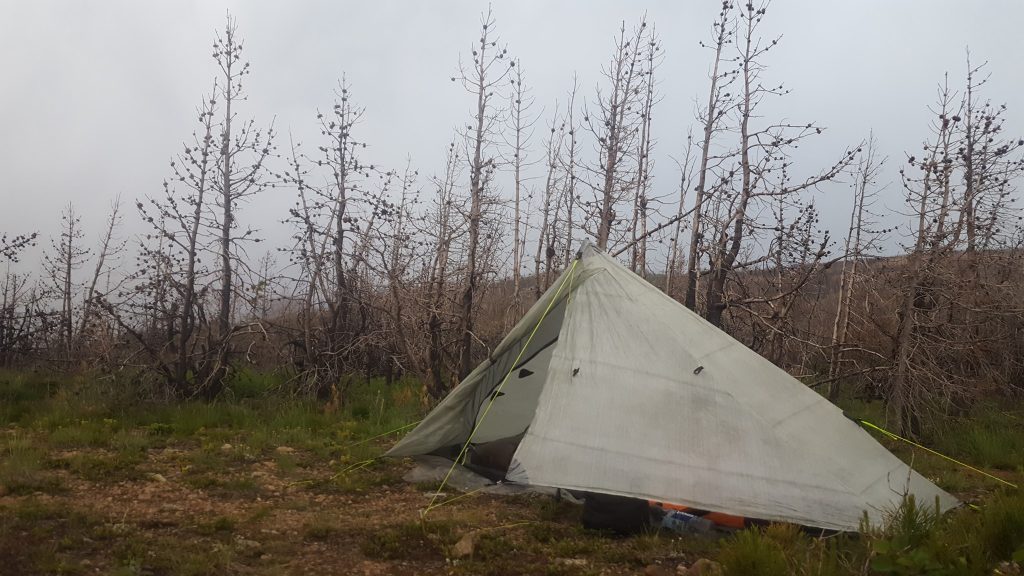
I did struggle a bit with the space in the vestibule. I found it to be a bit lacking, even for a small setup of gear. If my pack is wet, I’m leaving it outside the tent once I retrieve all my dry gear. Ideally, I’d like enough space to leave the pack, my shoes, and a few other accessible items in the vestibule. The Solplex will accommodate all that, but not without feeling cramped. I am pleased to hear with the newer iteration, there is now a zipper on the other wall of the tent, which adds a great deal of space to store wet gear – however this is only available on the Plex Solo Pro.
I’m an early riser in the morning. As in, I like to hike in the dark for at least 45 minutes. I noticed in the morning that the guylines were still completely taught, thanks to the UHMWPE (“Ultra High Molecular Weight Polyethylene”). UHMWPE cord is what helps the tent from sagging overnight, and is a notable bright neon green to help avoid stumbling over it. It’s also somewhat rigid, so it doesn’t have the tendency to tangle up like typical cord.
After the tent is down, I like to just shove it in my backpack. If it’s dry, I’ll put it inside with my dry gear. Otherwise, just stuff it into the pack outside the dry portion, or into the mesh pocket where I can easily get it out and let it dry in the sun. To store it in the stuff sack, I would usually make it into thirds, and tightly roll it. It comes out to about the size of a football. I usually do this only when storing it long term.
Living Space
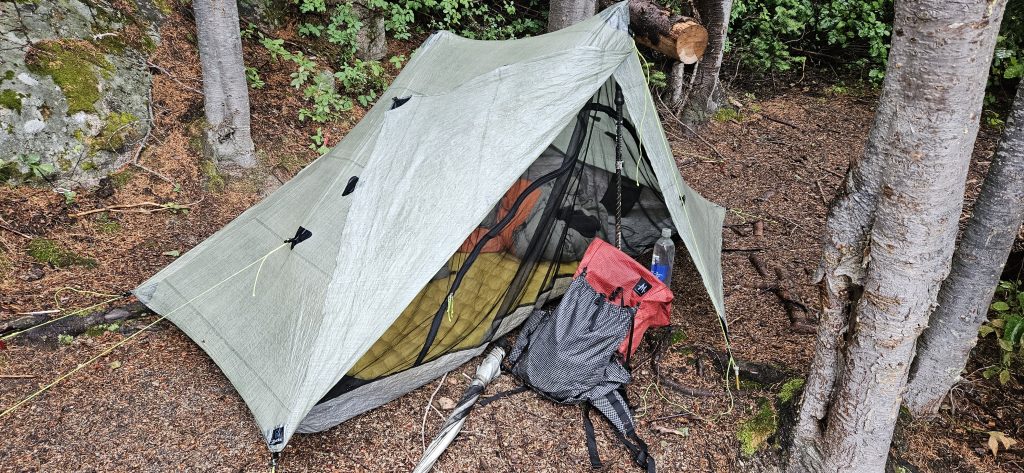
I am about 5′ 7″, and I found this tent to be plenty comfortable. Zpacks lists the spec’s for the floor length as 7.5′, so even someone over 6′ would feasibly be comfortable. Since I’m relatively average height, I had plenty of room inside for whatever I needed. There’s a pocket on the wall that can store small things like a headlamp, battery pack, GPS, etc. It’s handy to keep stuff out of your way.
I also found the bathtub floor to be plenty protective against splashes from rain drips, and from the occasional pooling of water. Depending on how high and tight you pitch the tent, you can get a much taller bathtub edge. The floor is plenty durable for what it is, although I’d still be cautious of where I’m setting up. I’m sure sharp sticks could damage it. But softer pine needles, and forest floor debris weren’t ever an issue – especially if you pair it with a polycro or Nylo Pro groundsheet.
Performance
Condensation, as with any single wall tent such as this, will be an ever present problem. The way to combat this is a higher pitch, using all the guy-out points, and rolling up the vestibules when possible. Maximizing airflow will capture the moisture and carry it elsewhere so it doesn’t collect above your face all night.
Speaking of annoyances, there is little to speak of in terms of bugs. The mesh is no-seeum, and so long as you are quick to get in and out, don’t expect too many bugs. Be careful with the zipper though- always use the zipper pull, and slowly. If you open it too aggressively, not only is it bad for the zipper, but the mesh can snag. Suddenly, you have unwelcome mosquito friends. Bummer.
This tent performed with flying colors in many a thunderstorms and windy blusters. I think the double trekking pole pitch, along with solid stake points, made the Solplex an absolute weather warrior. There’s nothing quite like sitting in a heavy rainstorm, listening to the wind shed off the tent. Peace and comfort are what you’ll find in this tent. A safe-haven.
I’d have loved this on the Appalachian Trail. In the buggy, wet environments, it would have performed exceptionally well. And hellacious climbs would have been made just a bit more pleasurable due to the low weight.
Final Thoughts
Throughout the CDT, this tent performed exactly as I had hoped. I found its shortcomings to be reasonable. With ultralight tents (and ultralight gear in general) you can usually pick two options out of three: 1. Weight, 2. Price, or 3. Durability. My Zpacks Solplex review shows that this particular tent achieves 1 and 3 pretty well. Though DCF is known to be a more fragile material, if this tent lasted me through the CDT and beyond, I’d imagine it’s good for anyone looking to lighten their load, whether it’s for a thru-hike or weekend trips. The price is steep, but not among comparable tents. There are more affordable options, but you’ll sacrifice the quality showcased here.
When it comes time for me to replace mine, I would happily drop the money on the new and updated version. If you’re expecting fair weather, check out my Twinn Tarp review, which I used on the CDT in New Mexico.